14 Cars That Hold Their Value Best: Slowest Depreciation in America
Understanding Vehicle Value Matters More Than You Think
Shopping for your next vehicle involves countless decisions, but one factor often gets overlooked until it’s too late: how well will this car maintain its worth over time? Whether you plan to trade it in at a dealership or sell it privately through platforms like CarMax, understanding which cars that hold value can save you thousands down the road.
Most buyers assume certain brands naturally resist vehicle depreciation better than others. Recent analysis confirms these assumptions while revealing surprising specific models that outperform even premium expectations.
Table of Contents
Cars That Hold Their Value Best: The Top 14 Value Champions Revealed:
Japanese Dominance in Retention Rankings
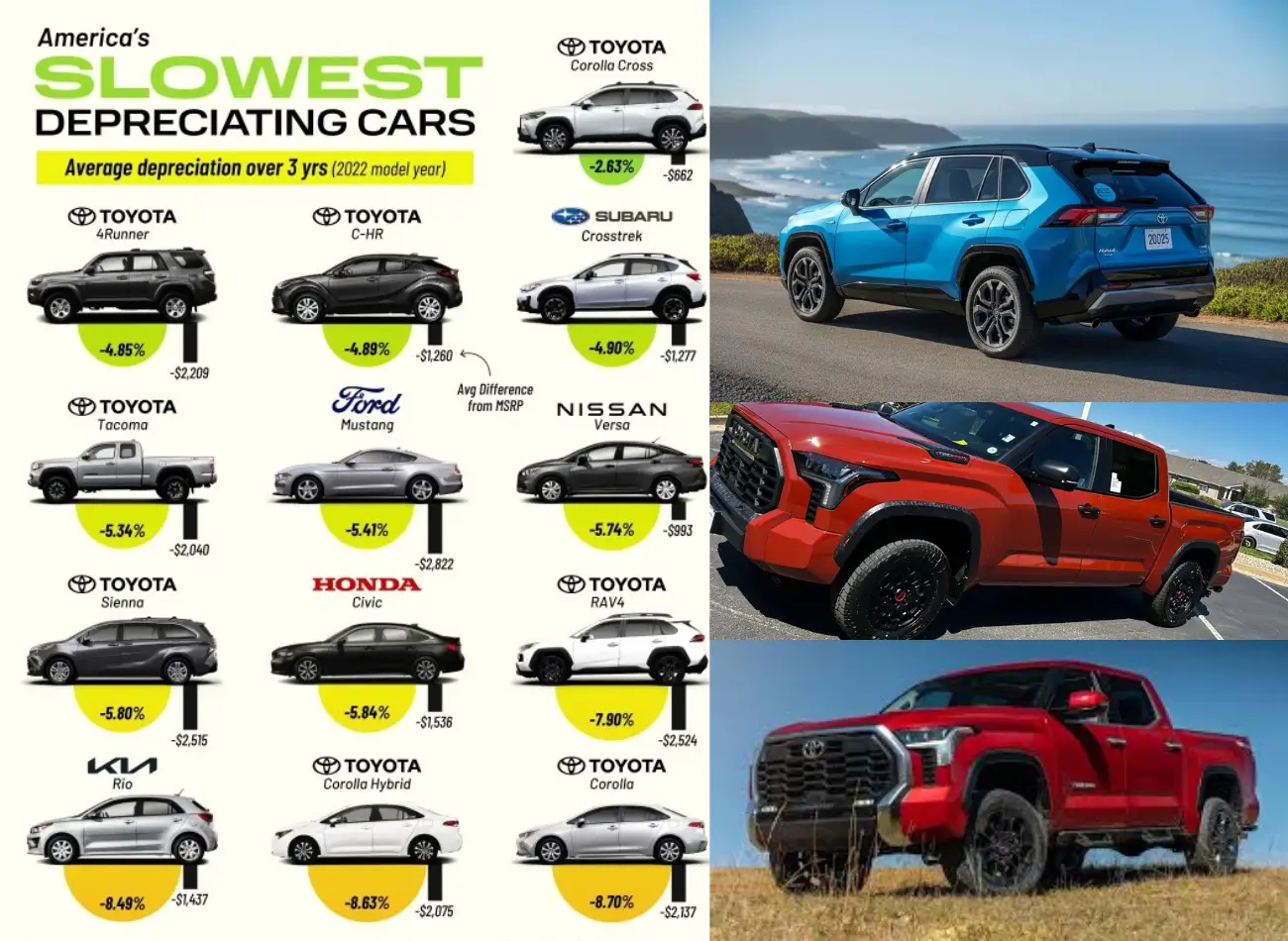
Fresh data from US News analyzing 2022 model-year vehicles paints a clear picture: Japanese automakers own the value retention game. The study compared original purchase prices against current trade-in value figures three years later, and the results strongly favor brands from the East.
Toyota emerges as the undisputed champion, claiming nine spots among the fourteen cars that hold value best. Considering Toyota’s substantial ownership stake in Subaru (20 percent), you could arguably credit them with 9.5 positions on this exclusive list. The remaining slots belong to Ford, Nissan, Honda, and Kia—each securing one entry.
The Complete Rankings Breakdown
Top 5 Value Retention Leaders:
| Rank | Vehicle | 3-Year Depreciation | Manufacturer |
|---|---|---|---|
| 1 | Toyota Corolla Cross | 2.63% | Toyota |
| 2 | Toyota 4Runner | 4.85% | Toyota |
| 3 | Toyota C-HR | 4.89% | Toyota |
| 4 | Subaru Crosstrek | 4.90% | Subaru/Toyota |
| 5 | Toyota Tacoma | 5.34% | Toyota |
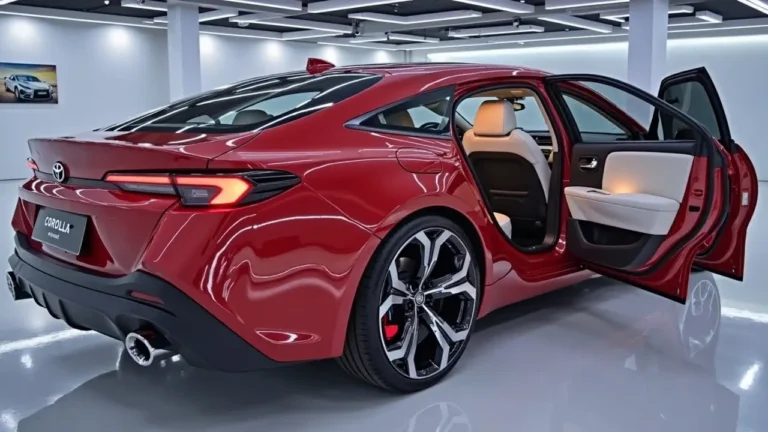
The Toyota Corolla Cross takes the crown with an astonishingly low 2.63 percent value loss over three years. This compact crossover proves that newer nameplates can immediately establish strong market confidence.
Following closely, the legendary 4Runner demonstrates why SUVs with proven off-road capability command premium prices on the used car market. Its 4.85 percent depreciation reflects decades of reputation building.
Additional Notable Performers:
- 6th Place: Ford Mustang (5.41%) – The classic American muscle car continues proving its iconic status translates to retained worth. Important distinction: this refers specifically to the traditional Mustang, not the electric Mach-E variant.
- 7th Place: Nissan Versa – Compact sedans typically struggle with resale value, making this subcompact’s appearance noteworthy.
- 9th Place: Honda Civic – This perennial bestseller demonstrates that reliability reputation directly impacts long-term value.
- 11th Place: Kia Rio – The Korean brand’s continued quality improvements reflect in its value retention numbers.
Why These Vehicles Defy Depreciation Trends
Reliability Reputation Creates Demand
Vehicles maintaining strong resale value share common characteristics. Proven dependability tops the list. When used car shoppers know a vehicle will deliver reliable transportation for years, they willingly pay premium prices.
Toyota’s engineering philosophy emphasizes longevity over cutting-edge technology. This conservative approach means fewer expensive repairs down the road, making these cars that hold value attractive to budget-conscious buyers.
Market Demand Drives Pricing
Regional preferences significantly impact which vehicles maintain worth. Certain states show distinct buying patterns that support specific models:
States Where Used Vehicles Average 6+ Years Old:
- Idaho
- South Dakota
- Wyoming
- Iowa
- Montana
- Oregon
In Spokane, Washington, average used car shoppers target vehicles approaching seven years old. These buyers seek proven performers, not experimental designs—exactly what Toyota and other Japanese automakers deliver.
Practical Design Wins Long-Term
Flash and trendy styling date quickly. The cars that hold value best typically feature timeless designs that won’t look outdated in five years. The 4Runner’s squared-off silhouette hasn’t changed dramatically in decades, yet buyers continue paying premium prices for this design philosophy.
Making Smart Financial Decisions
Understanding Dealership Trade-In Reality
When trading your current vehicle, dealerships typically send lower-value cars to auction or transfer them to franchise locations in different markets. Your negotiating power on trade-in value remains limited compared to the initial purchase price negotiation.
Choosing one of these fourteen value retention champions from the start positions you for stronger negotiating leverage when replacement time arrives. That Corolla Cross or 4Runner will command respect at the trade-in desk.
Calculating Your Long-Term Investment
Consider two scenarios:
Scenario A: Purchase a trendy vehicle losing 25% value over three years
- Original price: $30,000
- Value after 3 years: $22,500
- Loss: $7,500
Scenario B: Purchase a Toyota Tacoma losing 5.34% over three years
- Original price: $30,000
- Value after 3 years: $28,398
- Loss: $1,602
The difference? Nearly $6,000 in retained wealth—enough for significant down payment on your next vehicle or covering years of maintenance costs.
The Electric Vehicle Question
Why EVs Miss This List Entirely
Sharp-eyed readers will notice zero electric vehicles among these value retention leaders. Current data shows EVs average 13 percent vehicle depreciation annually—significantly higher than these traditional powertrains.
Several factors contribute to this disparity:
Battery Degradation Concerns: Potential buyers worry about expensive battery replacement costs as vehicles age. Unlike traditional engines with proven longevity, battery packs represent significant question marks.
Interior Quality Compromises: Many first-generation EVs prioritized electric drivetrain development over premium cabin materials. Bargain-hunting used buyers notice cost-cutting measures.
Rapidly Evolving Technology: Today’s EV range becomes tomorrow’s obsolete specification. Buyers hesitate paying premium prices for older technology when newer models offer dramatically improved capabilities.
The Changing Landscape
However, the used car market for electric vehicles shows signs of evolution. As battery technology proves more durable than initially feared and used EV prices drop substantially, younger buyers increasingly consider electric options. Whether this trend eventually produces EVs among cars that hold value best remains uncertain.
Strategic Buying Recommendations
If You’re Shopping Today
Prioritize vehicles from this top-fourteen list if long-term resale value concerns you. While you might sacrifice cutting-edge technology or luxury appointments, you’re investing in financial wisdom.
The Corolla Cross offers particular appeal for buyers wanting modern crossover practicality without gambling on rapid vehicle depreciation. Its newness to the market combined with Toyota’s reputation creates ideal conditions for value retention.
Vehicles to Consider Carefully
Conversely, luxury brands—despite their appeal—typically suffer steeper value drops. That German sedan might impress neighbors initially, but trade-in time tells a different story.
Similarly, vehicles with complex technology or unproven drivetrains represent financial gambles. The used car market punishes early adopters who bought before bugs got worked out.
Regional Market Considerations
Where You Live Influences Value
Geographic location affects which vehicles maintain worth. Truck-friendly states like Montana and Wyoming see stronger retention for pickups like the Tacoma. Coastal urban areas might favor compact options like the Civic.
Research your local market before assuming national trends apply. A vehicle performing strongly nationwide might underperform in your specific region—or vice versa.
Making Your Decision Count
Beyond Just Numbers
While vehicle depreciation statistics provide valuable guidance, they shouldn’t override personal needs. A vehicle retaining 97 percent of its value means nothing if it doesn’t fit your lifestyle requirements.
Balance financial wisdom with practical considerations:
- Does passenger capacity meet your needs?
- Will cargo space handle your typical loads?
- Does the driving experience satisfy you?
- Can you afford maintenance on this particular model?
Your Path Forward
Understanding which cars that hold value best arms you with powerful knowledge for your next purchase. The dominance of Japanese automakers—particularly Toyota—in value retention rankings reflects decades of engineering focused on longevity over gimmicks.
Whether choosing the top-ranked Corolla Cross, the rugged 4Runner, or the practical Civic, you’re selecting vehicles the used car market consistently rewards. Your future self will appreciate this decision when trade-in value negotiations begin.
Ready to make a smarter vehicle investment? Research current pricing on these value retention champions in your area. Compare total ownership costs, not just monthly payments. And remember: the best time to think about resale value isn’t when you’re selling—it’s when you’re buying.
What’s your experience with vehicle depreciation? Have you owned any of these top-performing models? Share your real-world value retention stories in the comments below, and don’t forget to bookmark this guide for your next vehicle purchase decision.
Did You Like This Article?
skQzeggGVXXXJXru
KqWopPlNFjEZXWHEzgGF
FJ Returns
Waiting to order it!
vmqIfeXKmucuDGwQGabX
GqYadOddQZSVFKDoeN
Celica come back
Very informative and useful, details.
Good article
A lot information, thanks