Toyota Land Cruiser FJ Up Close: A No-Frills Off-Roader That Divides Opinion-2026
A Controversial Comeback That’s Got Everyone Talking
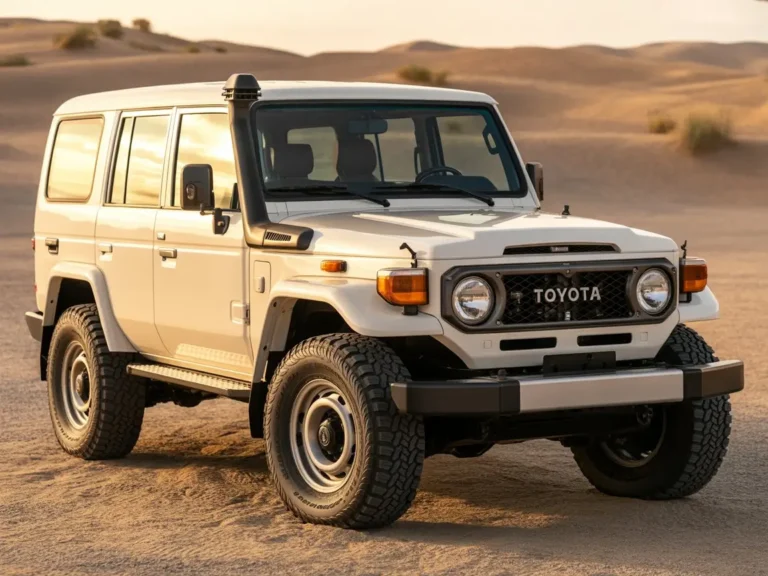
Toyota’s introduction of the Toyota Land Cruiser FJ earlier this month sparked immediate debate throughout the automotive community. Enthusiasts find themselves divided: some view it as an appropriate tribute to Land Cruiser heritage, particularly honoring the FJ Cruiser’s spirit, while critics argue it potentially diminishes the storied badge’s prestige.
Both perspectives carry merit, which made experiencing this vehicle firsthand at the 2025 Japan Mobility Show particularly compelling—alongside Toyota’s other fascinating exhibits like the Corolla Concept. Judging by the packed crowds surrounding Toyota’s display hall, I wasn’t alone in this curiosity. The overwhelming visitor interest explains why capturing unobstructed photographs and accessing the vehicle with doors open proved challenging throughout the event.
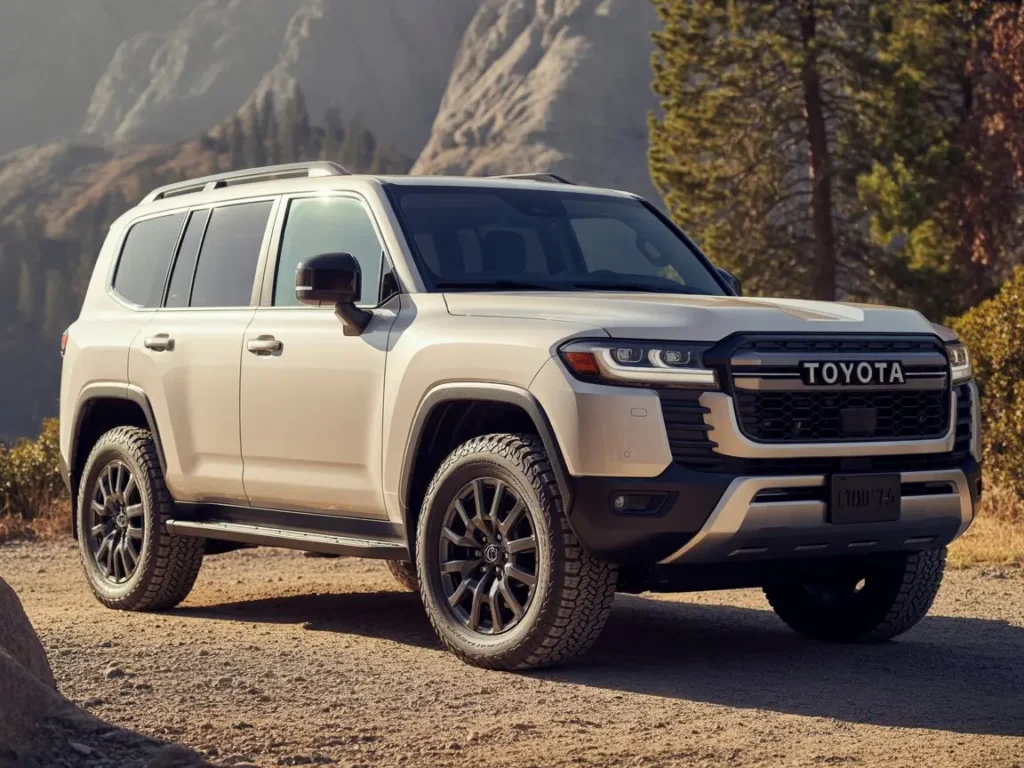
Table of Contents
Show Floor Reality Check: First Impressions That Matter
Bridging Legacy with Contemporary Utility
The FJ represents Toyota’s calculated effort to connect its celebrated off-road legacy with practical, real-world functionality. Built atop Toyota’s proven IMV platform—the same foundation supporting the battle-tested Hilux and Fortuner—this rugged SUV is engineered to conquer demanding environments without unnecessary complexity.
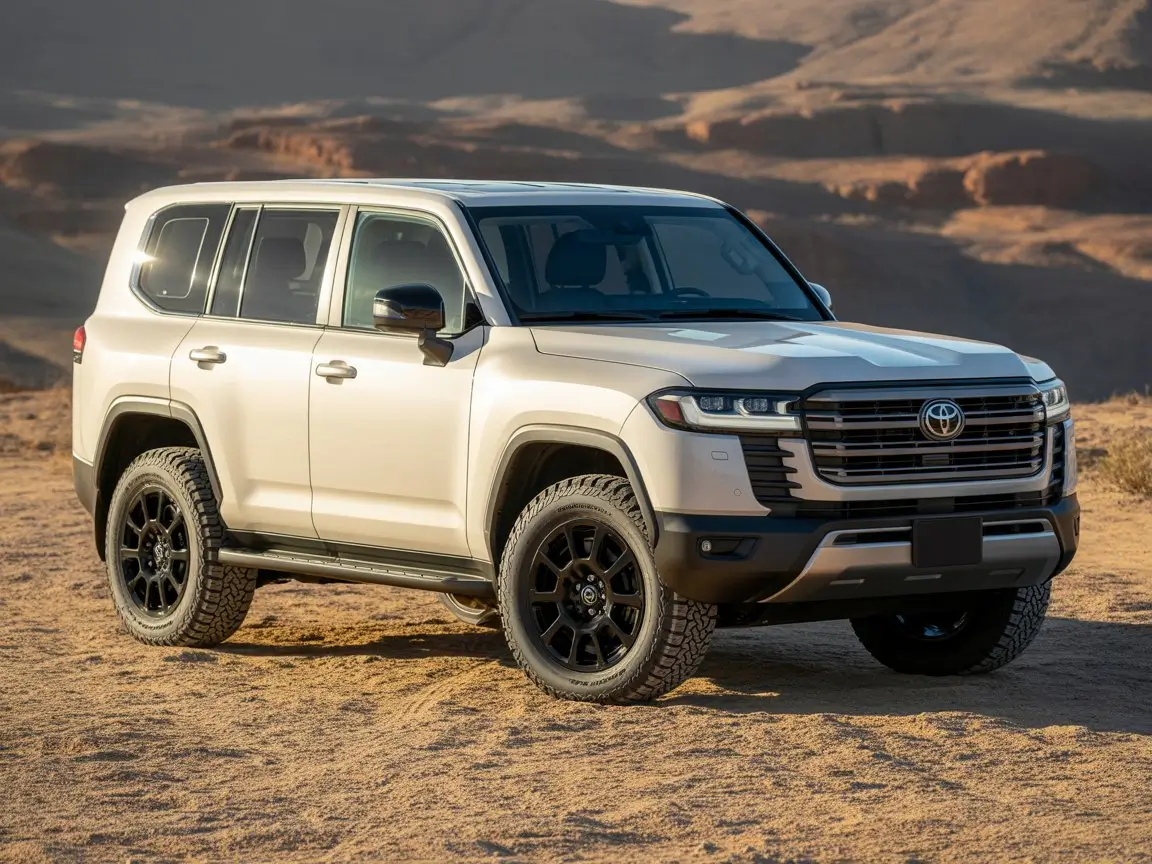
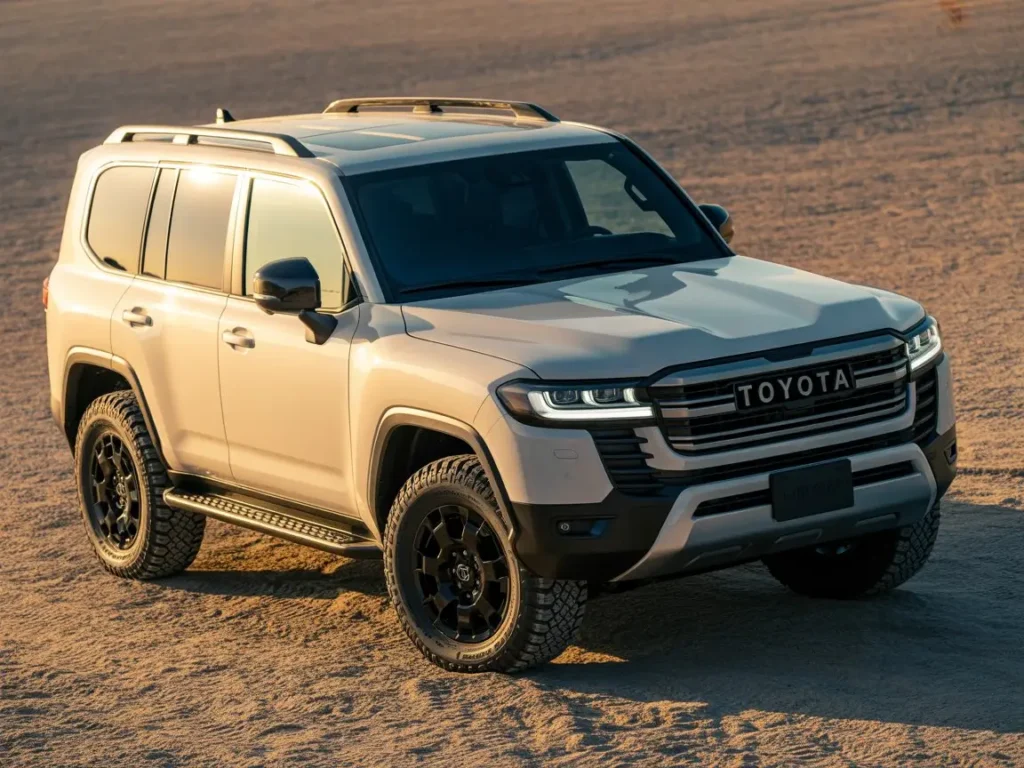
Standing before the Toyota Land Cruiser FJ reveals it appears larger than photographs suggest. However, compared alongside the US-specification Land Cruiser, the dimensional differences become immediately apparent. For someone standing 5’6″, the proportions feel ideally balanced—neither overwhelmingly massive nor uncomfortably compact.
Design Elements That Tell a Story
The styling deliberately evokes classic Land Cruiser DNA through several distinctive characteristics. An upright stance combined with abbreviated overhangs creates that unmistakable go-anywhere profile. The rectangular bezel framing the headlights channels vintage Land Cruiser aesthetics, though unfortunately, the off-road variant featuring round headlights wasn’t displayed at the show—a disappointing omission for those seeking comprehensive comparison.
The segmented bumpers and squared body panels convey a modular design philosophy that prioritizes field repairability—a crucial consideration for the vehicle’s target markets. This approach reflects thoughtful engineering for regions where sophisticated repair infrastructure may be limited.
Interior Experience: Function Absolutely Dominates Form
Cabin Philosophy: Durability First, Luxury Never
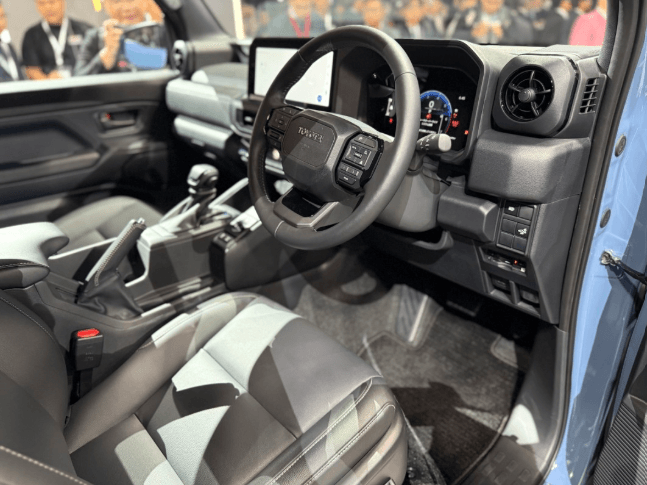
Step inside, and Toyota’s priorities become crystal clear—this cabin prioritizes bare-bones interior functionality above all else. The dashboard adopts a low, horizontal orientation that significantly enhances forward visibility—essential for navigating challenging terrain. A digital instrument cluster paired with a touchscreen infotainment system provides modern conveniences within an otherwise straightforward environment.
Material selections emphasize durability over premium tactile experiences. Everything feels purposefully robust rather than luxuriously plush. The front seats deliver solid lumbar support, though additional under-thigh cushioning would enhance comfort during extended journeys.
Rear Passenger Accommodation
The rear bench incorporates reclining functionality, while expansive windows create a surprisingly pleasant environment despite the absence of amenities like rear climate vents or USB charging ports. Legroom proves adequate for my 5’6″ frame, though this raises legitimate questions about comfort for taller occupants during longer trips.
Platform Advantages: Why the IMV Foundation Matters
Proven Underpinnings for Harsh Conditions
The IMV platform selection carries significant implications for the Toyota Land Cruiser FJ‘s capabilities and market positioning. This architecture has demonstrated exceptional reliability across diverse global environments, from scorching Middle Eastern deserts to muddy Southeast Asian trails.
This foundation choice signals Toyota’s commitment to delivering dependable off-road capability rather than chasing luxury segment aspirations.
Market Strategy: Who Gets It and Who Doesn’t
Regional Focus Excludes Western Markets
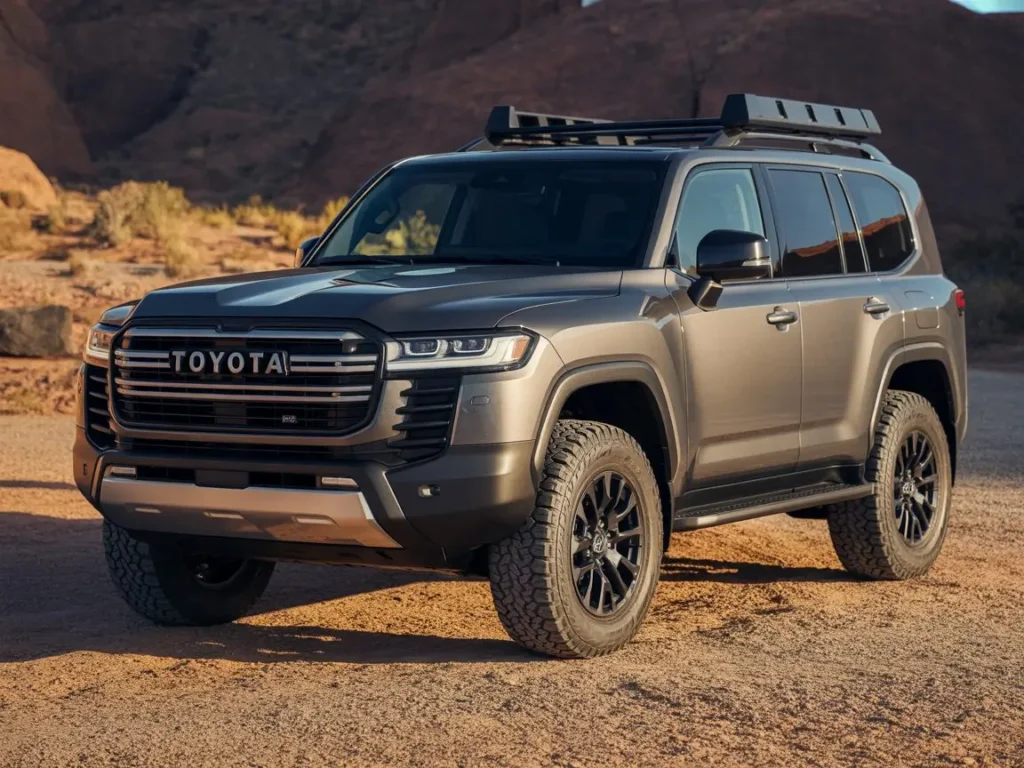
The Toyota Land Cruiser FJ won’t reach American or European dealerships. Toyota has strategically targeted this vehicle toward Asia, the Middle East, Africa, and Latin America—regions that prioritize toughness and economical operation over premium features and sophisticated electronics.
Currently, no hybrid or electric powertrain options exist. However, Toyota may reconsider this strategy based on market demand. The IMV platform possesses inherent electrification readiness, meaning future adaptations remain technically feasible should customer preferences shift.
Why Western Exclusion Makes Business Sense
For North American and European buyers, this exclusion may feel frustrating. However, Toyota’s decision reflects pragmatic market analysis:
- Regulatory Complexity: Meeting stringent Western safety and emissions standards significantly increases development costs
- Consumer Expectations: Western buyers typically demand more refinement than the FJ provides
- Competitive Landscape: The region already receives the more sophisticated US-spec Land Cruiser
- Profitability Concerns: Low-margin, utility-focused vehicles struggle in premium-priced Western markets
This targeted approach allows Toyota to serve emerging markets effectively without compromising the vehicle’s core mission or pricing competitiveness.
What the FJ Reveals About Toyota’s Global Strategy
Different Solutions for Different Markets
The Toyota Land Cruiser FJ exemplifies Toyota’s nuanced understanding that automotive markets demand tailored solutions. While Western consumers gravitate toward technology-laden, comfort-focused SUVs, many global regions prioritize straightforward reliability, affordable ownership, and genuine capability over terrain that would immobilize softer crossovers.
This vehicle isn’t inferior to its Western-market siblings—it simply addresses fundamentally different priorities and operating conditions. The FJ’s design philosophy celebrates utilitarian excellence rather than apologizing for lacking luxury amenities irrelevant to its core customer base.
Competitive Context: Where It Fits Among Global Off-Roaders
The FJ carves its niche by combining Toyota’s legendary dependability with emerging market-appropriate pricing and features—a balance competitors struggle to match.
The Badge Debate: Does It Deserve Land Cruiser Status?
Understanding the Controversy
The naming controversy surrounding the Toyota Land Cruiser FJ stems from legitimate concerns about brand equity. The Land Cruiser nameplate carries decades of prestige representing Toyota’s most capable, premium off-road vehicles. Introducing a more affordable, stripped-down variant understandably raises questions about potential brand dilution.
Arguments Supporting the FJ Naming:
- Honors FJ Cruiser heritage and classic FJ40 lineage
- Maintains Land Cruiser DNA through genuine off-road capability
- Serves markets where Land Cruiser represents trusted utility, not luxury
Arguments Against:
- Risks diluting premium brand associations
- Lacks refinement expected from modern Land Cruiser products
- Could confuse consumers about model hierarchy
Ultimately, this debate highlights how globally diverse Toyota’s customer base has become. What seems like badge dilution in one market represents authentic heritage celebration in another.
Future Possibilities: What Comes Next for the FJ
Electrification Potential
While currently offered exclusively with traditional combustion powertrains, the Toyota Land Cruiser FJ‘s IMV platform foundation positions it for potential electrification. Hybrid variants could deliver:
- Enhanced fuel efficiency critical for cost-conscious markets
- Improved low-speed torque beneficial for off-road applications
- Reduced emissions accommodating tightening global regulations
- Lower operating costs through decreased fuel consumption
Toyota’s extensive electrification experience across other product lines suggests such variants could materialize if market demand justifies the investment.
Could Western Markets Eventually Receive It?
Never say never in the automotive industry. If the Toyota Land Cruiser FJ achieves strong success in initial markets and consumer interest in Western regions proves sufficiently robust, Toyota might reconsider regional availability. However, significant modifications would be necessary to meet Western regulatory requirements and consumer expectations—potentially compromising the vehicle’s core value proposition.
Final Perspective: A Vehicle True to Its Mission
The Toyota Land Cruiser FJ won’t satisfy everyone, and that’s entirely intentional. This vehicle wasn’t engineered to achieve universal appeal—it was designed to serve specific markets with particular needs exceptionally well.
For enthusiasts in excluded Western markets, disappointment is understandable. However, Toyota’s focused approach ensures the FJ can deliver exactly what its target customers require: honest capability, dependable performance, and affordable operation without unnecessary complications.
Whether you consider the FJ a worthy Land Cruiser descendant or an unfortunate badge dilution likely depends on your perspective and priorities. What remains undeniable is Toyota’s commitment to serving diverse global markets with appropriately engineered solutions—even when that means not every product reaches every showroom.
Summary and Share Your Thoughts
The Toyota Land Cruiser FJ emerges as a deliberately utilitarian off-roader built on the proven IMV platform, targeting emerging markets with genuine capability and straightforward reliability. While excluded from Western markets, it represents Toyota’s thoughtful approach to serving diverse global customer needs with purpose-built vehicles rather than one-size-fits-all compromises.
If this deep-dive resonated with you, share it with fellow off-road enthusiasts who appreciate vehicles engineered for genuine capability over showroom appeal. Let’s keep the conversation going about how automakers balance heritage, practicality, and market-specific demands.
Did You Like This Article?
skQzeggGVXXXJXru
KqWopPlNFjEZXWHEzgGF
FJ Returns
Waiting to order it!
vmqIfeXKmucuDGwQGabX
GqYadOddQZSVFKDoeN
Celica come back
Very informative and useful, details.
Good article
A lot information, thanks