Maximum Cargo Capacity: The Best 6 Mid-Size SUVs With the Most Storage Space
Shopping for a family-friendly SUV means balancing numerous priorities, but cargo capacity often tops the list. Whether you’re hauling sports equipment, camping gear, or handling massive shopping trips, having ample storage space transforms your vehicle from merely functional to genuinely practical.
Mid-size SUVs occupy a sweet spot in the automotive market—offering substantial interior volume without the unwieldy dimensions of full-size models. They’re manageable in parking lots and pleasant on daily commutes, yet provide enough cubic footage to handle life’s biggest hauling challenges.
Let’s explore the six mid-size SUVs delivering the most impressive cargo space currently available.
Table of Contents
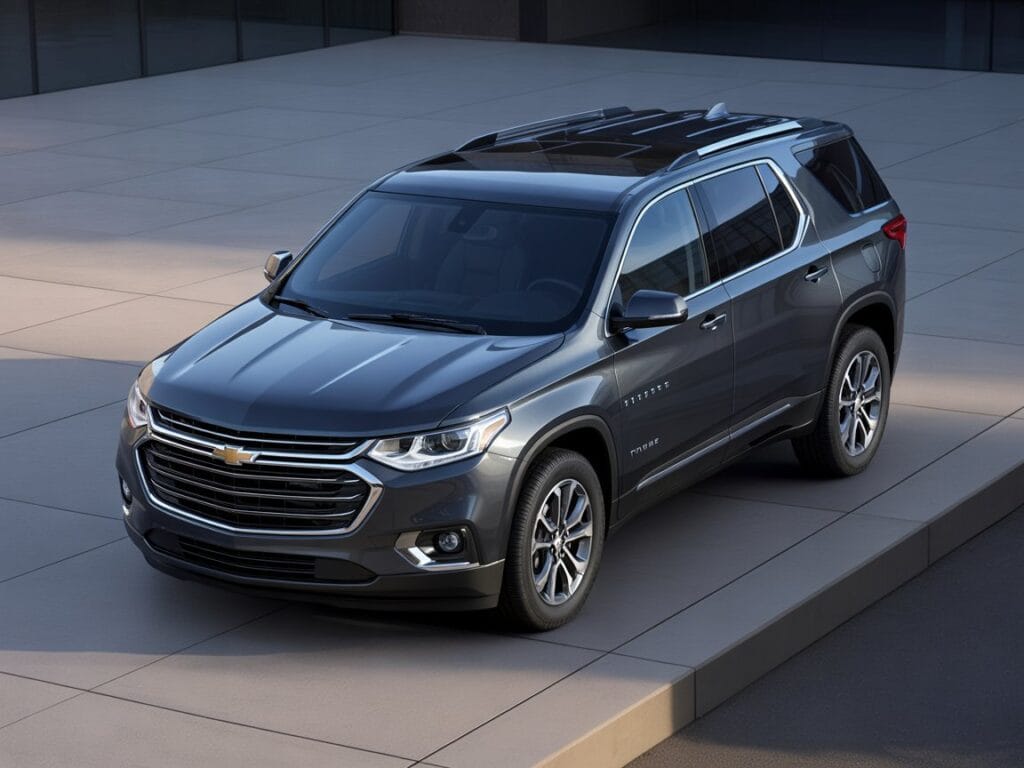
1. Chevrolet Traverse: The Volume Champion (97.6 Cubic Feet)
Unmatched Storage Capacity
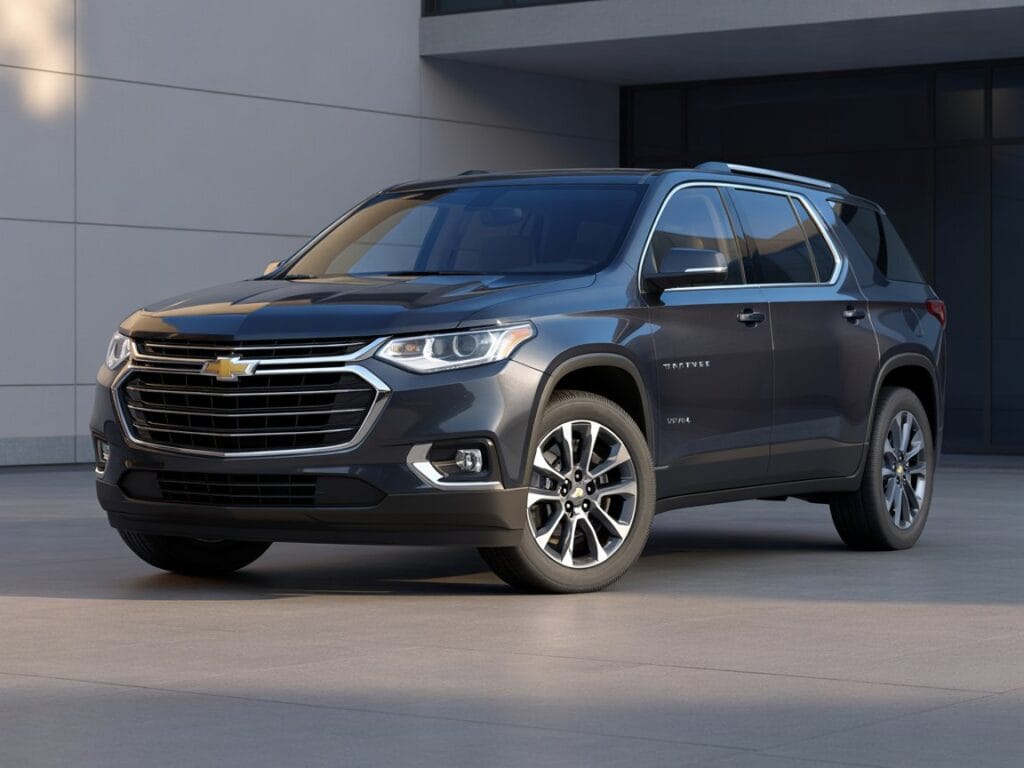
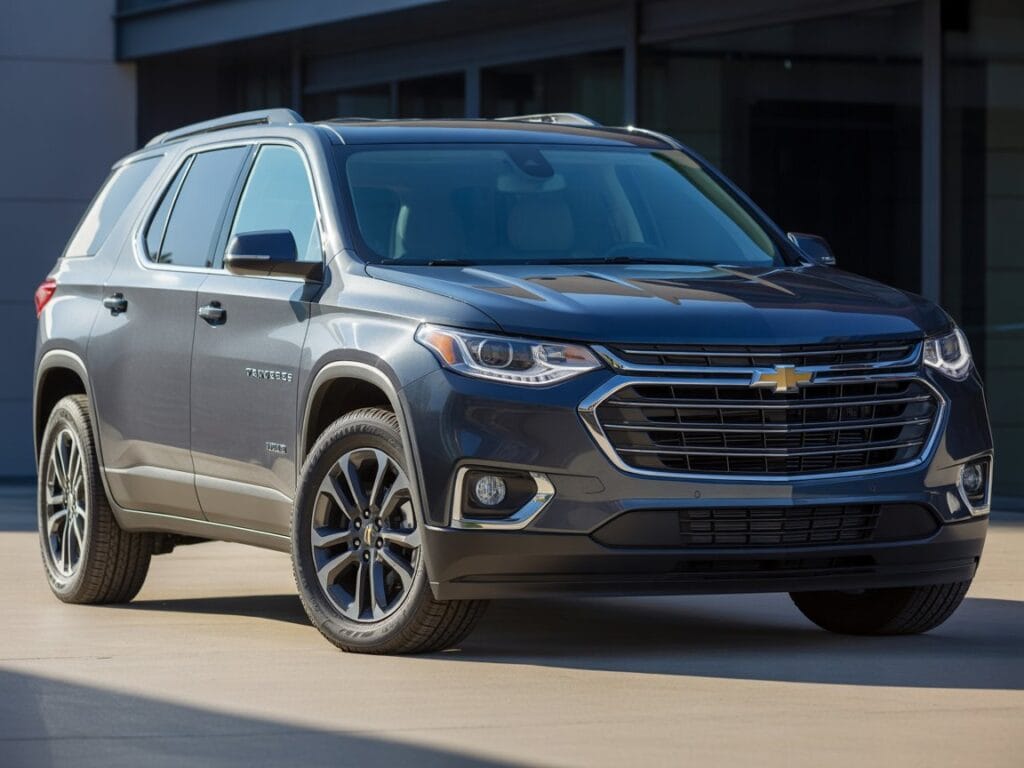
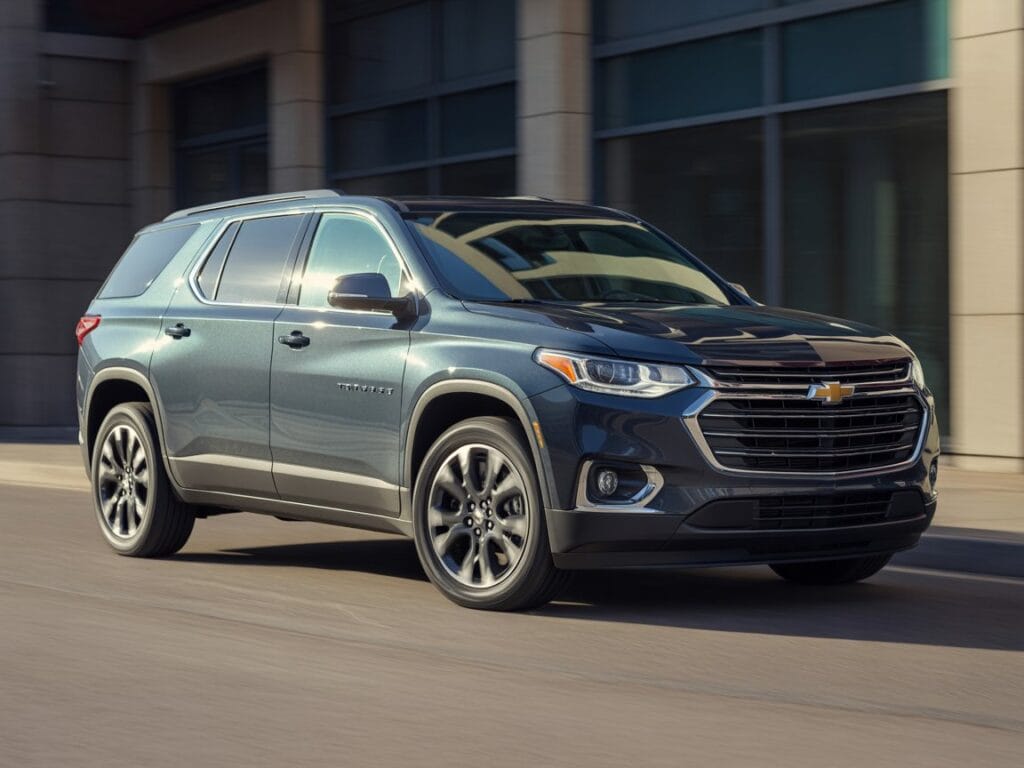
The 2026 Chevrolet Traverse ($40,800) dominates this category with an astounding 97.6 cubic feet of maximum cargo volume when both rear seat rows fold flat. This three-row SUV essentially transforms into a moving truck when you need it most.
Tiered Storage Configurations
The Traverse offers flexible cargo arrangements depending on passenger needs:
- Maximum capacity: 97.6 cubic feet (all rear seats folded)
- Second-row access: 56.6 cubic feet (third row folded)
- All seats occupied: 22.9 cubic feet (behind third row)
Even the smallest configuration provides more storage than many luxury sedans, making this Chevrolet a remarkably versatile choice.
Design Advantages
The Traverse’s elongated, boxy silhouette enables upright loading of furniture, bicycles, and oversized luggage without requiring seat removal. The low lift-over height simplifies loading heavy items, while the available power liftgate adds convenience for busy families.
For households frequently transporting sports equipment, vacation luggage, or bulk purchases, the Traverse delivers unmatched practicality in the mid-size SUV segment.
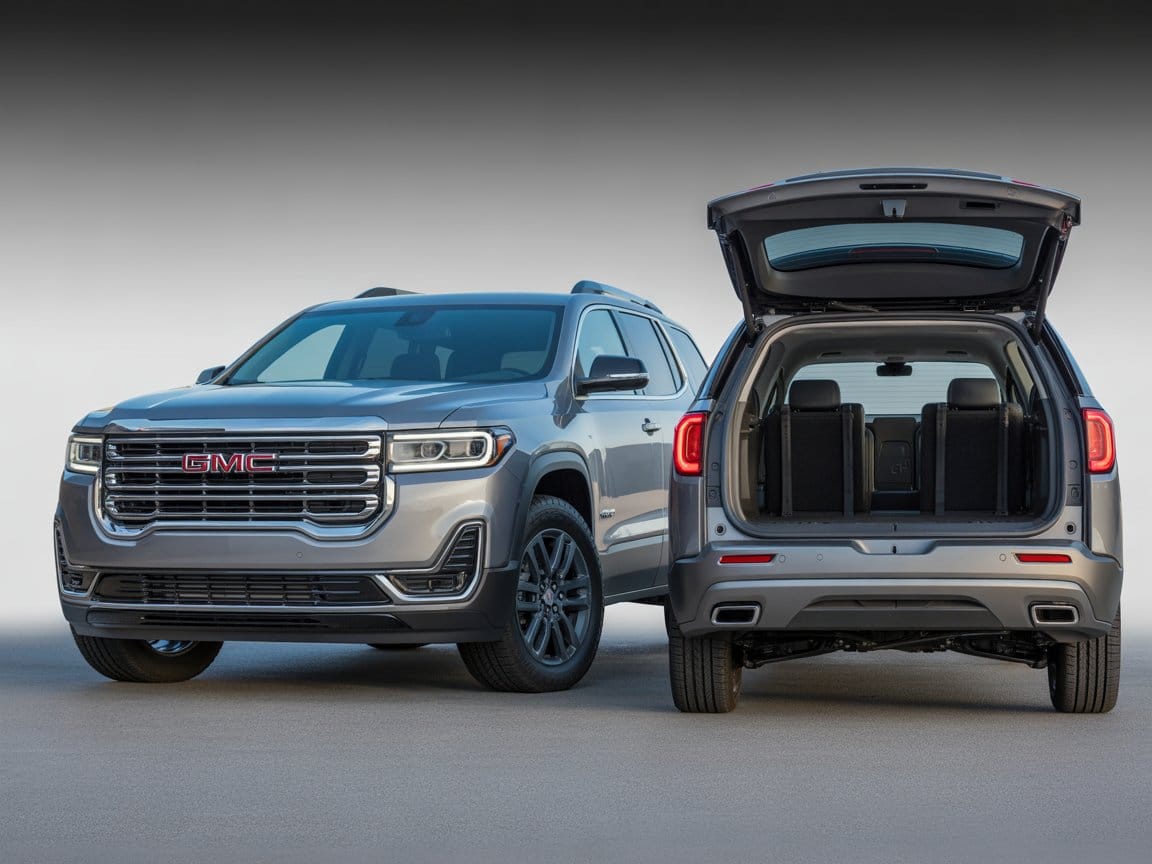
2. GMC Acadia: Premium Space (97.5 Cubic Feet)
Platform Sharing With Upscale Execution
Starting at $43,700, the GMC Acadia shares its fundamental architecture with the Traverse but wraps that practicality in more luxurious materials and refined styling.
Cargo Measurements
The Acadia’s storage capacity nearly matches its Chevrolet sibling:
- Total volume: 97.5 cubic feet (maximum configuration)
- Behind second row: 57.3 cubic feet
- Behind third row: 23.0 cubic feet
Distinguishing Features
What separates the Acadia from the Traverse isn’t capacity—it’s execution. GMC prioritizes:
- Enhanced cabin materials with premium textures
- Superior sound insulation for quieter highway cruising
- Hands-free power liftgate operation
- Flexible second-row sliding and folding mechanisms
The Denali trim level elevates this SUV into near-luxury territory while maintaining its cavernous cargo capabilities. For buyers seeking upscale appointments without sacrificing utility, the Acadia represents an ideal compromise.
3. Toyota Grand Highlander: Versatility Redefined (97.5 Cubic Feet)
Size Classification Anomaly
Despite its “mid-size” designation, the Toyota Grand Highlander delivers interior spaciousness rivaling full-size competitors. This strategic positioning gives buyers maximum space without requiring a truly large footprint.
Storage Statistics
Toyota engineers maximized every dimension:
- Full capacity: 97.5 cubic feet (all seats folded)
- Second-row configuration: 57.9 cubic feet
- Third-row occupied: 21.0 cubic feet
Passenger Comfort Advantage
Unlike many three-row SUVs where the rearmost seats feel like punishment, the Grand Highlander provides genuinely comfortable third-row accommodations. Adults can sit back there without compromising dignity—a rare achievement in this segment.
Powertrain Efficiency
The available Hybrid and Hybrid Max variants add fuel economy advantages to the spaciousness equation. Families can enjoy both cargo flexibility and reduced fuel costs—an increasingly important combination.
4. Volkswagen Atlas: German Engineering Meets Family Needs (96.8 Cubic Feet)
European Approach to American Priorities
The 2026 Volkswagen Atlas ($39,310) demonstrates how European automakers can successfully address American family transportation requirements. Despite nearing the end of its current generation, this SUV continues delivering exceptional value.
Cargo Capacity Breakdown
The Atlas provides substantial storage across all configurations:
- Maximum volume: 96.8 cubic feet
- Behind second row: 55.5 cubic feet
- Third-row occupied: 20.6 cubic feet
Thoughtful Design Details
Volkswagen sweated the small stuff, incorporating:
- Multiple convenient storage compartments throughout the cabin
- Sturdy cargo hooks for securing loads
- Optional underfloor storage for valuables or tools
- Deep rear cargo area even with third row raised
The Atlas combines refined driving dynamics with genuine utility, proving that practical family SUVs needn’t sacrifice European sophistication.
5. Toyota 4Runner: Off-Road Capability With Surprising Space (89.7 Cubic Feet)
Redefining the Rugged SUV
The completely redesigned 2025 Toyota 4Runner ($41,270) maintains its legendary trail-conquering credentials while dramatically improving interior packaging. This body-on-frame SUV now competes directly with unibody crossovers in cargo capacity.
Storage Specifications
The latest generation delivers impressive numbers:
- Total capacity: 89.7 cubic feet (second row folded)
- Daily configuration: 48.4 cubic feet (behind second row)
Hybrid Max and optional three-row versions sacrifice minimal cargo volume while adding versatility.
Platform Improvements
Toyota’s TNGA-F truck architecture—shared with the Tacoma and Land Cruiser—enables better interior space utilization without compromising off-road durability. The squared-off tailgate and flatter load floor enhance daily usability significantly.
Adventure-Ready Features
Beyond raw cubic footage, the 4Runner includes:
- Power liftgate for convenient access
- Available sliding cargo deck simplifying load management
- Underfloor storage compartment for recovery equipment
- Durable materials resisting outdoor gear damage
This combination makes the 4Runner uniquely capable of transitioning between weekend trail running and weekday family duty.
6. Honda Pilot: Family-Focused Functionality (87.0 Cubic Feet)
Practical Design Philosophy
Starting at $40,200, the 2025 Honda Pilot represents Honda’s commitment to family-oriented transportation. The latest redesign abandoned minivan-esque styling for more assertive SUV aesthetics while improving functionality.
Cargo Measurements
The Pilot delivers respectable storage capacity:
- Maximum configuration: 87.0 cubic feet
- Behind second row: 48.5 cubic feet
- Third-row occupied: 18.6 cubic feet
Versatility Innovation
Honda’s engineering team prioritized flexibility:
- Completely flat floor when rear seats fold
- Ability to accommodate 4×8-foot building materials
- Removable middle seat in second row (most trims)
- Quick transitions between passenger and cargo modes
The removable center seat particularly impresses, enabling eight-passenger capacity when needed or creating a wide pass-through for cargo when it’s not.
Boxier Styling Benefits
The current generation’s more angular design doesn’t just look better—it creates additional interior volume for both passengers and cargo compared to the previous rounded shape.
Choosing the Right High-Capacity Mid-Size SUV
Consider Your Priorities
Each of these six mid-size SUVs excels in cargo capacity, but your specific needs should guide the final decision:
Choose the Chevrolet Traverse or GMC Acadia if maximum storage volume is your absolute priority and you frequently haul oversized items.
Consider the Toyota Grand Highlander if you want impressive space with excellent fuel economy through hybrid technology.
Opt for the Volkswagen Atlas if you appreciate European refinement alongside American-sized cargo capacity.
Select the Toyota 4Runner if off-road capability and cargo space must coexist in a single vehicle.
Pick the Honda Pilot if you value clever storage solutions and family-focused features alongside respectable cargo volume.
The Evolution of Mid-Size SUV Storage
Modern mid-size SUVs demonstrate how far automotive engineering has progressed. These vehicles deliver nearly full-size cargo capacity without requiring unwieldy exterior dimensions that complicate parking and daily driving.
Manufacturers have learned to maximize interior packaging efficiency while maintaining attractive styling, advanced technology, and comfortable passenger accommodations. You no longer must choose between cargo capacity and other desirable attributes.
Which cargo feature matters most to you—maximum cubic footage, clever storage solutions, or flexible seating arrangements? Have you owned any of these spacious SUVs? Share your real-world cargo experiences in the comments below, and subscribe for more practical automotive comparisons that help you find the perfect family vehicle!
Did You Like This Article?
skQzeggGVXXXJXru
KqWopPlNFjEZXWHEzgGF
FJ Returns
Waiting to order it!
vmqIfeXKmucuDGwQGabX
GqYadOddQZSVFKDoeN
Celica come back
Very informative and useful, details.
Good article
A lot information, thanks